Trending

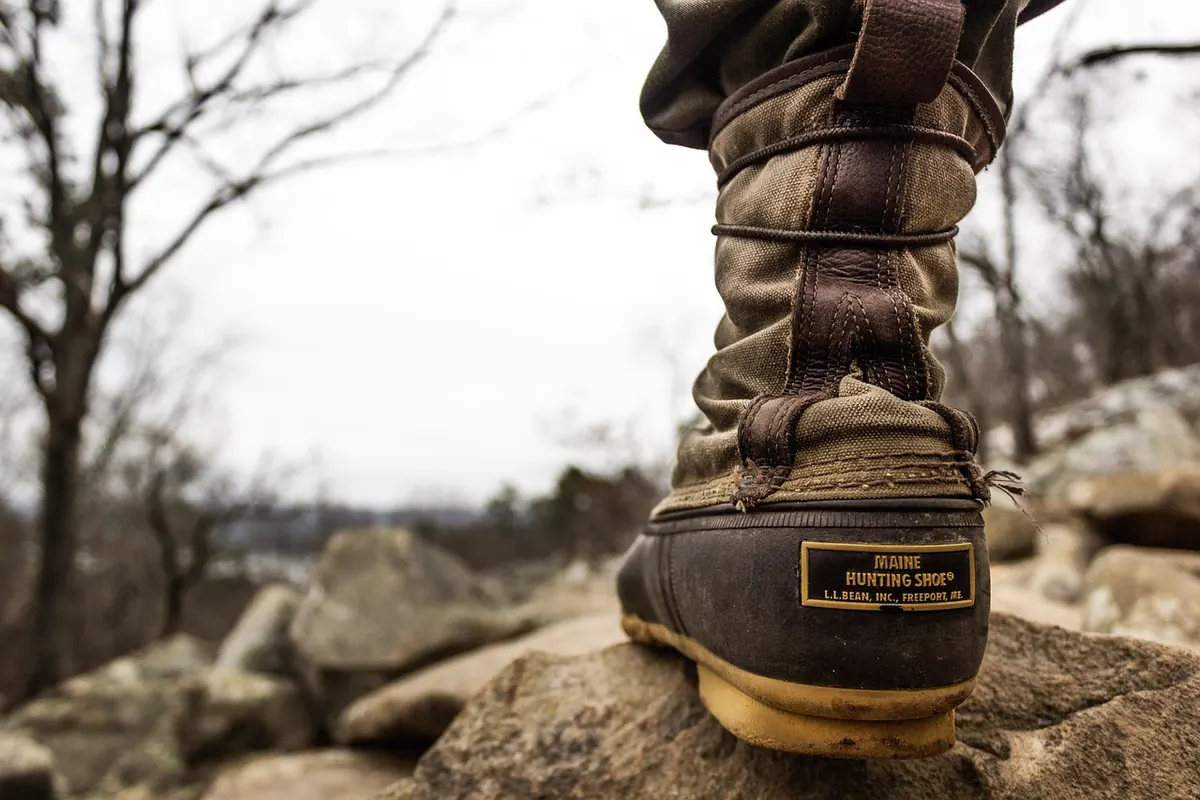
Stand on the Kinder plateau on a wet Saturday and you will see both answers to this question walking past you: walkers in boots laced to the ankle, and walkers in low, light shoes that look like running trainers with a grippier sole. Both groups get round. The difference shows up at the end of the day, in how their feet feel, and in which parts of the walk they actually enjoyed.
The Pennines are not one surface. They are peat bog, gritstone, limestone pavement, worn flagstone and a great deal of mud in between. So the right footwear depends less on preference than on which of those you are crossing, in what season, carrying what on your back.
Kinder, Bleaklow, Black Hill and the Cheviot tops hold water the way a sponge does. You will sink to the ankle on a bad line, and occasionally further. This is where design matters most. A mesh trail shoe fills with water and drains it again within a few strides. A waterproof shoe with a low collar fills the same way and then keeps the water in, because the membrane that stops rain getting in also stops bog water getting out. A boot with a high collar keeps more out, but only until the water is over the top of it.
Gritstone edges such as Stanage and Derwent Edge are abrasive and often rounded, and they reward a sole with soft, sticky rubber more than a deep, hard lug. Limestone pavement in the Dales is a different problem entirely: broken clints with grykes between them, hidden by grass, full of twisting potential for an ankle. A stiffer sole and more underfoot protection pay off there.
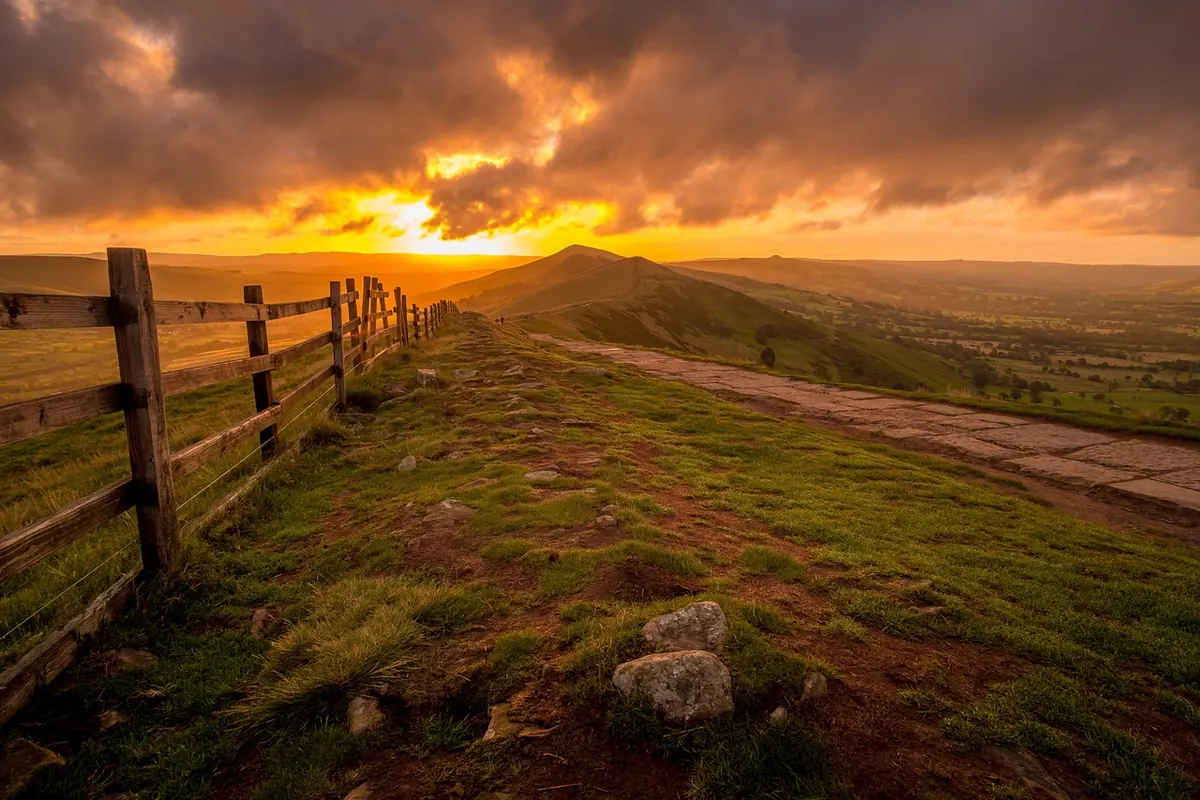
The Pennine Way's flagstone slabs are wonderful in dry weather and quietly treacherous when wet. Eroded descents such as Grindsbrook Clough, or the loose grit below Jacob's Ladder, ask for grip and a bit of cushioning. This is where light shoes feel noticeably better on tired legs.
A boot gives you a collar around the ankle, and that collar does several jobs at once. It keeps heather, grit and small stones out. It adds warmth on a cold, windy top. It supports the ankle when the ground is rough or your pack is heavy. A stiffer sole takes the sting out of sharp stones and limestone edges, and a stiffer boot is what you want if you plan to fit crampons in winter.
A waterproof boot keeps feet dry for a few hours through wet grass, mud and shallow bog, which on a January walk across the Cheviot is worth a lot. The trade-offs are real, though. Leather boots can weigh considerably more than light shoes, and you lift that weight thousands of times a day. Once a lined boot is properly soaked, it stays wet for a long time — often into the next day.
Trail shoes are light, and lightness on your feet over fifteen or twenty miles is not a small thing. They drain fast, so a bog crossing is unpleasant for a few minutes rather than for the rest of the walk. They dry far quicker than boots, which matters on a multi-day trip when you are sleeping in a tent and cannot rely on a drying room.
Modern trail shoes are not flimsy. Toe caps, rock plates and grippy rubber compounds give decent protection in a package that weighs a fraction of a boot. Ground feel is a genuine advantage on rounded gritstone and on scrambling terrain, because you can feel what your foot is standing on. The downsides are equally clear: less protection from stone bruising, no ankle support when things go wrong, and cold, wet feet in winter conditions where a boot would have kept you dry.
Fit matters more than category. A well-fitted trail shoe will beat a badly fitted boot on almost any walk in the Pennines.
If you have persistent foot pain, bunions, plantar problems or a history of ankle injuries, get advice from a podiatrist or physiotherapist before spending money. Footwear can manage a lot, but it cannot diagnose anything.
Most regular Pennine walkers end up owning both, and there is no shame in that. Buy first for the walking you do most. If that is winter tops, peat and long days with a pack, start with boots and add a pair of trail shoes later for summer valley paths. If it is summer Dales tracks, gritstone edges and light packs, start with shoes and borrow or hire boots before committing to a winter round.
Whichever way you go, spend your money on fit and on the sole. A mid-priced shoe that fits your foot properly will serve you better across Kinder, Ingleborough and a muddy Cheviot track than an expensive one that does not. Then get out and walk in them, on ground that resembles the ground you are planning, and let your feet have the final say.
Photo: CB_Droneography / Pixabay