Trending

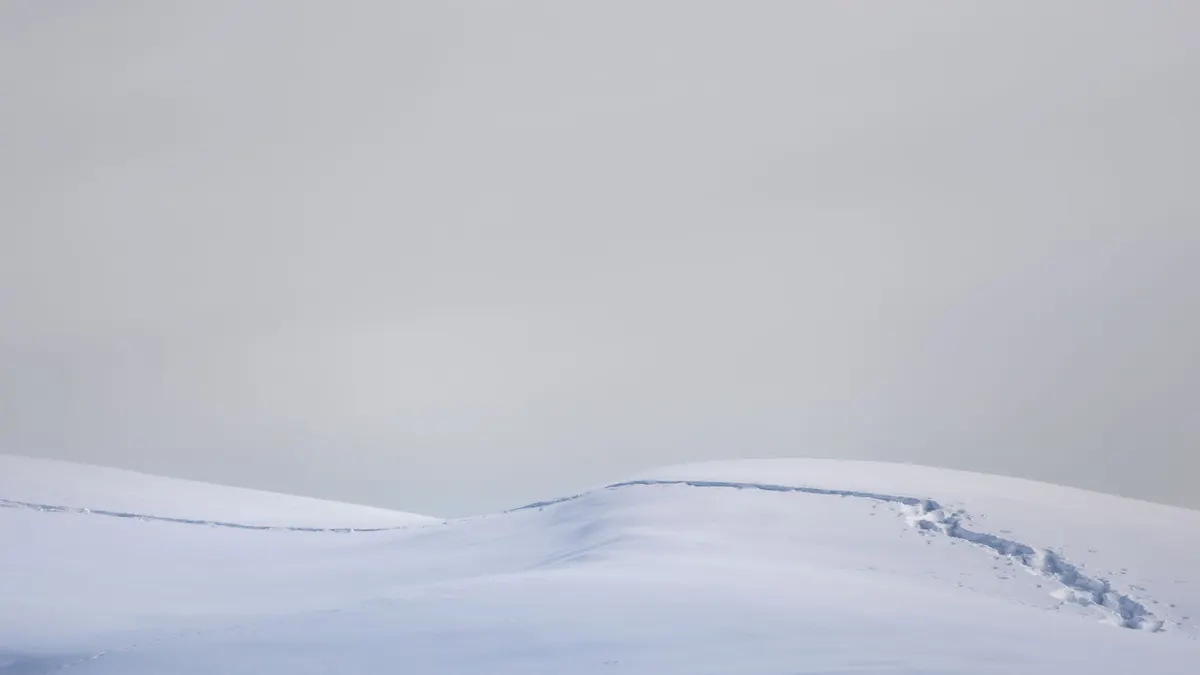
There is a particular quiet on the Pennine tops after a hard frost. The peat is iron-hard underfoot, the puddles are pans of ice, and from the edge above Kinder Downfall you can see half of Derbyshire laid out below. Twenty minutes later a cloud arrives from the west, the wind swings round, and you are in a white-out working out which way is north with frozen fingers. Winter here is not the same walk you did in July, and it rewards preparation more than any other season.
The Pennines are not high mountains. Cross Fell reaches 893 metres, Kinder Scout 636, and the high ground around Alston and Tan Hill sits mostly between 500 and 700 metres. What you get instead of altitude is exposure. There is very little shelter up there: few trees, long ridges, and boggy plateaus that funnel wind for miles.
Expect wind first, wet second, and cold as a result of both. A still, sunny January day on the edge above Marsden is genuinely glorious. The same place in a 40 mph westerly with drizzle is a completely different proposition, and you will be colder than the temperature suggests. Rime ice builds on gritstone and on fence posts, and the wind chill on an open ridge can make a modest 2°C feel punishing.
Snow is unpredictable. Some winters give you weeks of cover on the tops; others give you a couple of days and a lot of slush. Deep drifts gather in the peat groughs on Bleaklow and the Cheviot fringe, which is exactly where you least want them.
Around the winter solstice in the northern Pennines, sunrise can be close to half past eight and sunset before four. Take away the grey light of a cloudy day, add a valley already in shadow, and a "full day" is often six usable hours at best.
Practical consequences: plan shorter routes than you would in summer, and plan them to finish early rather than exactly at dusk. A summer walk of 18 km might become 10 or 12 km with the same effort, because you are moving slower on ice, stopping to layer up, and taking more careful lines across frozen ground. Carry a headtorch whether or not you intend to use it, and check sunset time for the exact date rather than guessing.
Winter changes the surface more than the map suggests:
Microspikes or similar low-profile traction aids are worth carrying from November onwards. Full crampons are rarely needed on the main paths but can help on steep ground in a proper freeze, and an ice axe only belongs in your bag if you have been taught how to use it.
Layer for movement, not for standing about. A baselayer that moves sweat away, a fleece or synthetic midlayer, and a waterproof shell with a hood that stays up in wind. Down is warm but useless when wet, so save it for stops or keep it in a dry bag.
Boots should be waterproof, with enough stiffness to take a traction aid and enough tread to grip on wet rock. Gaiters keep snow and bog out of your socks. Take two pairs of gloves, one thin and one warm, plus a spare hat. A flask of something hot, more food than you think you need, and a bothy bag or group shelter that weighs almost nothing and can turn a miserable lunch stop into a survivable one.
Your phone battery will fall faster in the cold. Keep it inside a layer, and carry a power bank. A paper map and compass do not care about temperature.
Most winter incidents in these hills start with a small navigation error on a featureless plateau in poor visibility. Practise pacing and compass bearings on a familiar local hill before you rely on them on Bleaklow in a white-out. A GPS unit or phone app is a useful backup, never the primary plan.
Check the mountain forecast the night before and again in the morning, and be willing to change the route or cancel. Tell someone where you are going and when you expect to be back, and message them when you are down. Have at least one escape route worked out for each leg of the walk, ideally one that drops you into a valley rather than keeping you on the tops.
Hypothermia creeps in quietly. Watch for a companion who goes quiet, stops shivering, or starts making poor decisions, and treat it the same in yourself. The response is boring and effective: get out of the wind, add layers, eat something, drink something warm, and get moving downhill.
Two small rules save a lot of grief. Eat and drink before you feel you need to, and turn around at the time you agreed with yourself, not when you finally admit you are tired. In the UK you can call 999 and ask for mountain rescue; if the signal is patchy, a text to 999 works on many networks, but only if you have registered your phone in advance. Do that today, not on the day you need it. If you have a heart or respiratory condition, or you are returning to hill walking after a long break, it is worth a word with your GP before taking on a full winter day.
Pick a first winter outing with a low summit, a clear path, and a short walk out. The edge path above Hayfield, the lane up to Tan Hill, or a circuit from a Dales village will teach you more about how your body and your kit behave in the cold than any big plan will. Go with someone, start early, and treat turning back as a skill rather than a failure. Do that two or three times and the longer winter days look after themselves.
Photo: Marek Piwnicki / Pexels