Trending

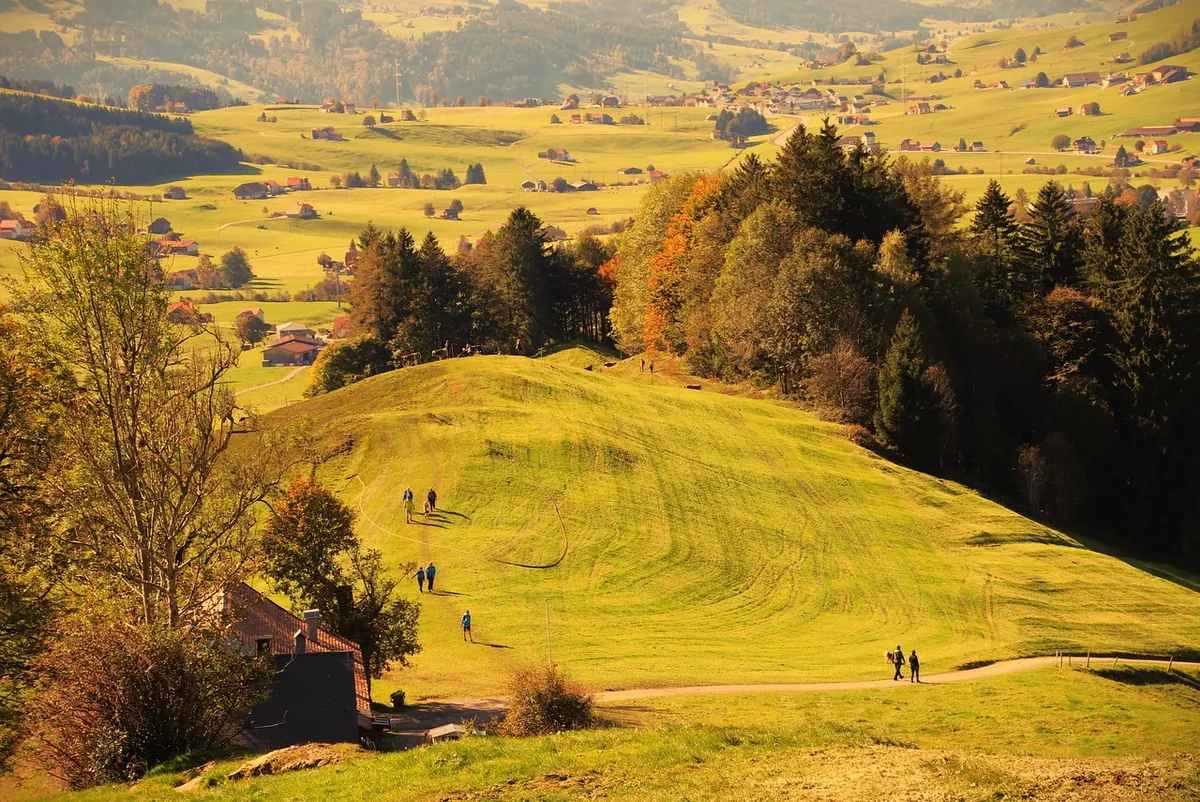
Autumn in the South Pennines arrives without much ceremony. One week the becks are up and the woods are still green; the next, the beech along Crimsworth Dean has turned and the moors have gone the colour of a rusted gate. The best of it rarely lasts more than three weeks, usually from mid-October into early November, and the walks that show it off don't ask much of you: two to four miles, a bit of climbing, and a reason to be out before the light drops.
These ten are short enough for a morning, close enough to a town for a late start, and quiet enough that you'll often have the best bits to yourself. None of them need a map if you've got a phone and half an idea, though the clough paths in particular can be confusing where side tracks branch off towards farms. Take a paper map if you're going somewhere new.
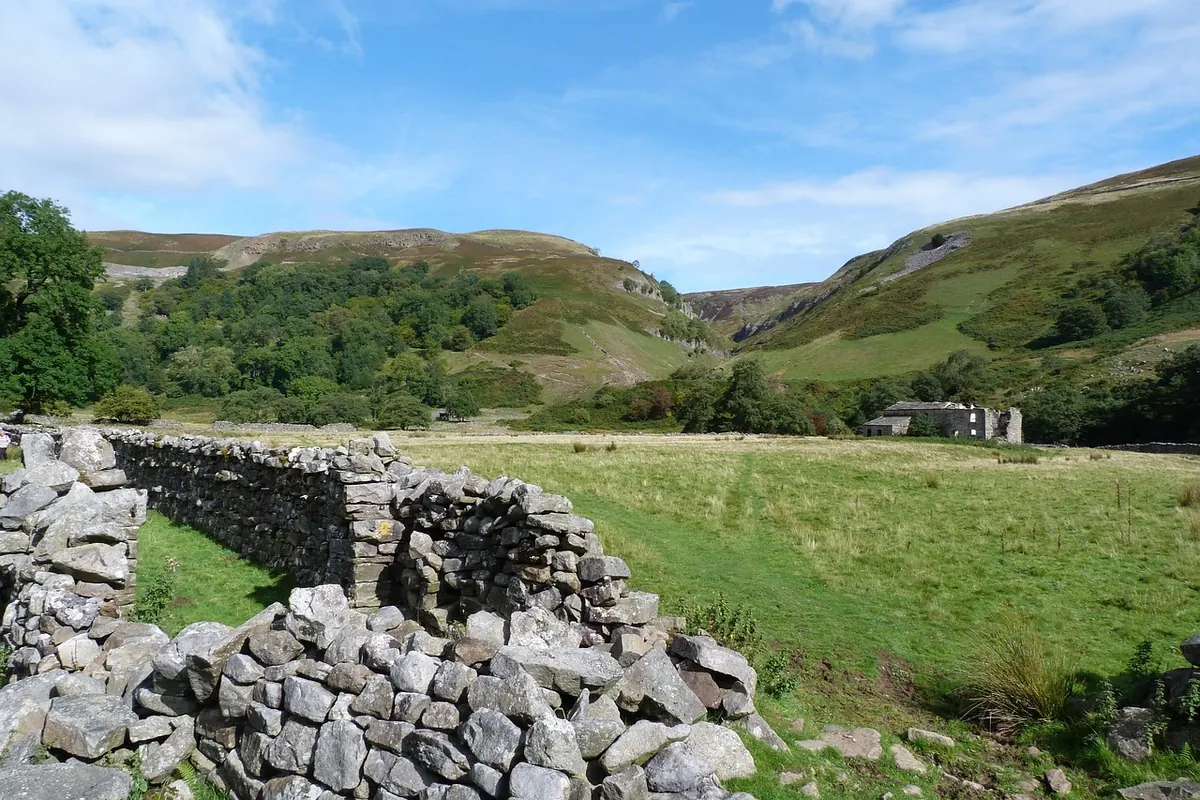
The South Pennines — the gritstone and reservoir country between the Peak District and the Yorkshire Dales — are wooded in their cloughs and bare on their tops, which means autumn happens at two speeds. Down in the valleys, oak, birch and beech turn slowly and hold their leaves. Up on the moor edges, bracken goes copper and then grey almost overnight. A good short walk gets you both, often within twenty minutes of each other.
There's a second reason the season works here: the light. Low sun across a reservoir, or through a stand of larch, does more for a landscape than any amount of summer green. Photographers know this and tend to appear in the last hour before dusk on the moor road above a valley.
Crowds thin out once the school holidays end. The honeypot spots are still busy on a bright Saturday, but midweek in October you can walk into Hardcastle Crags or up to Stoodley Pike and pass four people. Parking, which is a genuine misery in July, becomes merely awkward.
The classic. From Midgehole the path follows Hebden Water upstream through a steep, wooded valley to Gibson Mill, a former cotton mill now used as a visitor centre with a small café. In autumn the beeches above the mill turn gold and the main track is thick with leaves. The valley-floor path is easy going; the higher routes are steep and rooted. A good compromise is to go up on the west side and come back along the water.
A short walk with more drama than its length suggests. The beck drops over a series of falls in a narrow wooded valley, with a terrace path above and a river-level path below. It was laid out as a pleasure ground in the nineteenth century and still feels like one. The descent to the falls is slippery after rain, so wear proper shoes rather than smooth-soled trainers.
Wycoller has a ruined hall often linked to the Brontës, a packhorse bridge, and a wooded clough that turns early because it faces north. The circuit from the village past the hall and up to the Atom, a stone viewpoint on the ridge, takes under two hours. Parking at the village end is tight; arrive before eleven.
A reservoir circuit on the edge of the moor, with a plantation of larch and beech on the northern bank that gives some of the most reliable colour in the area. Mostly level, and a good choice for children or for anyone wanting a gentle hour. Check opening times for the visitor facilities out of season, and take a flask just in case.
Bleak in the best sense. From the car park at Widdop the track runs below the dam and out onto open moor, where the only trees are a few wind-bent hawthorns in the clough bottoms. In October the bracken here turns a deep copper and the reservoir takes on a hard, pale light. It's exposed, so take a jacket even on a still morning in the valley.
Mankinholes is a hamlet of stone cottages above Todmorden with a youth hostel and a long history of nonconformist stubbornness. The path climbs steadily past the pub and up onto the moor to the monument, which is visible for miles and worth the slog for the view back over the Calder valley. Return the same way, or drop down to Lumbutts and back along the road.
The circuit of Langsett is the most complete short walk on this list. You start in beech and pine along the northern bank, cross the dam, and then climb onto open moor above the water before dropping back through more woodland. There's a car park, a café and, on a clear day, a view that stretches towards the Kinder plateau. It gets busy on Sundays, so start early or go on a weekday.
A quiet, steep-sided valley that few people outside Halifax seem to know about. Follow the beck up past the old mill buildings and the little church at Wainsgate, then climb onto the moor edge where the views open out. The woodland here is mixed and turns late, which makes this a good pick if you've missed the peak elsewhere.
The best half-day on the list. Go up Colden Clough through oak and birch, and come out above Heptonstall, with its church, its ruin and its cobbled lanes. Drop back down to Hebden Bridge and finish along the canal, where the reflections in October are as good as anything the woods can offer. There are two or three steep sections and plenty of mud after rain.
From Marsden the path climbs past a chain of reservoirs into a valley that feels much further from a town than it is — there's a railway station ten minutes from the start. The plantations on the lower slopes give strong colour, and the upper valley is open and austere once you're above the trees. Come back the same way, or continue to Wessenden Head if you've got the legs and the daylight.
Colour doesn't arrive everywhere at once. If you're planning a specific walk rather than a general day out, it helps to know roughly what turns when:
Wind and rain strip a wood in two days. A still, damp morning after a cold night is the best conditions you can ask for.
Autumn in the South Pennines is a short argument between colour and weather. Go midweek, go early, and go with the rain in mind rather than against it.
None of these walks will take you more than half a day, which is the point. Pick one, park badly, walk up through the leaves, and be home before the light goes.
Photo: Meatle / Pixabay