Trending

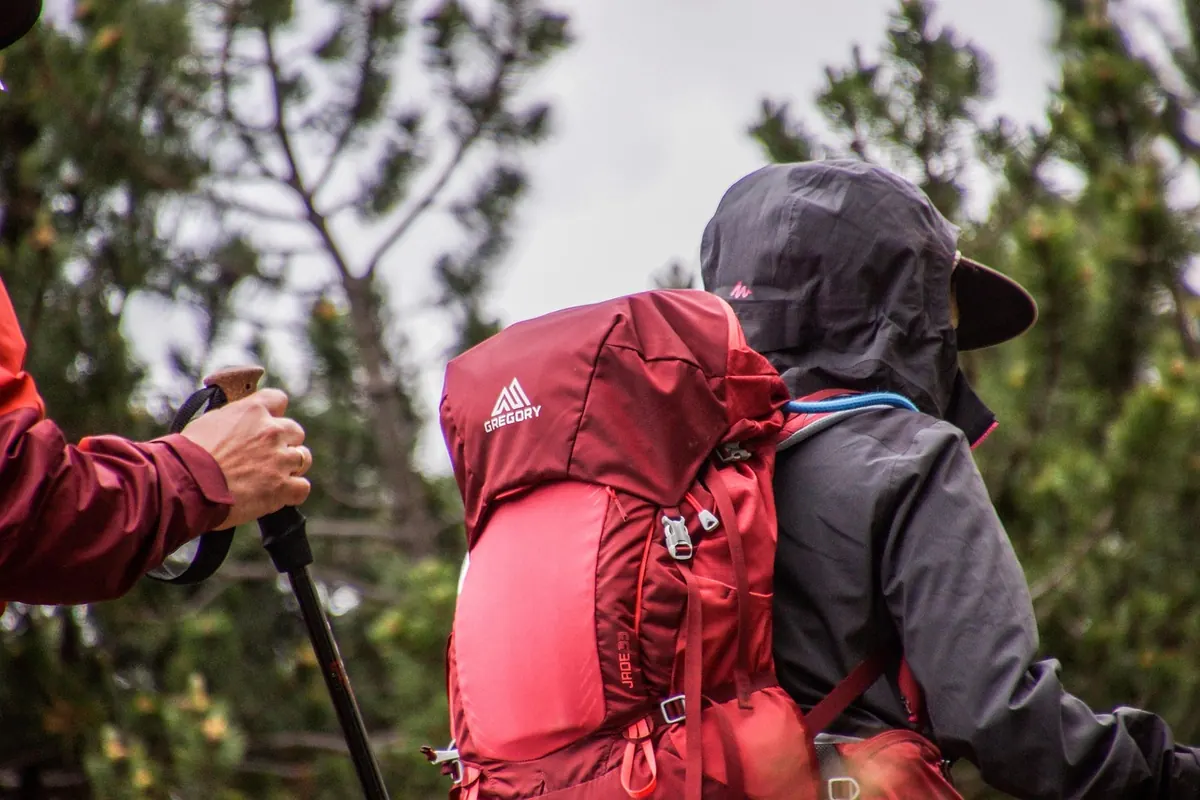
A Pennine forecast is less a promise than a rough suggestion. You can leave Edale in sunshine, cross the plateau in clag and sideways drizzle, and finish the descent into a wind that makes the last mile feel twice as long. That range of conditions is why so many regular walkers end up owning two jackets: a waterproof shell for the grim days and a softshell for everything else.
The awkward part is deciding which to buy first, or which to stuff in the pack on a Saturday morning when the forecast is doing its usual half-hearted shrug. It helps to be clear about what each jacket is actually built to do.
A waterproof jacket — often called a hardshell — uses a membrane or a coated fabric, taped seams, an adjustable hood and a water-repellent finish on the outside. Its job is simple and absolute: keep rain out. It doesn't try to be warm, and it doesn't pretend to be the most comfortable thing you'll ever wear.
A softshell is a different animal. It's usually a tightly woven stretch fabric with a water-repellent finish, sometimes with a windproof membrane bonded in. It blocks most of the wind, breathes well, and handles cold, spitting rain and spindrift while you're moving. What it isn't built for is sustained rain. Softshell seams are rarely taped, and the fabric will eventually wet out.
Walk uphill with a pack on and you generate serious heat. A softshell lets that moisture escape through the fabric, so you stay drier inside and don't have to keep stopping to strip layers. On a cold, breezy day on the gritstone edges, it's often the most comfortable jacket you can wear.
A hardshell has to work harder for the same result. It relies on the membrane, the water-repellent finish and pit zips. Once the outer fabric wets out, that finish has stopped working, and vapour struggles to pass through a layer of water sitting on top of the membrane. So the jacket keeping rain out is also the one trapping sweat in.
This is why you see people climbing with their waterproofs half unzipped. They aren't badly dressed; they're venting. Big pit zips often make more real difference to comfort than a marginally more breathable membrane, so check them before you buy.
Pennine rain rarely falls straight down. It arrives as wind-driven drizzle on Bleaklow, as wet grass soaking your trousers on the approach, as cloud that dampens everything it touches for hours. A softshell will shrug off twenty minutes of light rain. It will not keep you dry through six hours of it.
Once a softshell saturates, it loses much of its wind resistance and clings coldly to your arms — worse than useless on an exposed ridge. A proper waterproof jacket with taped seams keeps working. Two features matter more than the brand name: a hood that adjusts and turns with your head rather than sitting stubbornly forward, and a cut that lets you wear a fleece underneath without compressing it flat.
There's no perfect jacket in the shop. There is a sensible one for the way you actually walk.
Think of the jacket as one part of a system: base layer, midlayer, outer. On a mild day a softshell can stand in for the midlayer. A shell should be sized to fit over one, which usually means going a size up from your everyday clothing. If it's tight across the shoulders with a fleece on, it will restrict your stride all day.
Hoods deserve a proper test. Put the jacket on, tighten the hood, then turn your head left and right. If the hood stays put and your vision isn't blocked, that's a good sign. Pockets you can reach with a pack on are worth more than pockets that look tidy.
Look after the water-repellent finish and both jackets last longer. Wash them with a technical cleaner rather than normal detergent, skip fabric softener entirely, and follow the label's drying instructions — a little gentle heat often reactivates the finish better than anything else. When water stops beading and the fabric starts soaking up patches, it's time to reproof.
If you're buying one jacket first and most of your walking is short, low-level and in changeable rather than outright wet weather, a softshell will serve you better day to day. If you're heading onto the high moors in any season, buy the waterproof shell first — being cold and wet on an exposed plateau is a genuine safety issue, not just an annoyance.
Long term, the two together cover almost everything the Pennines can throw at you: softshell for moving fast in cold, dry or drizzly conditions, shell for when the sky properly opens. Check the forecast, look out of the window, and pack for the day you're actually getting rather than the one you were hoping for.
Photo: rottonara / Pixabay