Trending

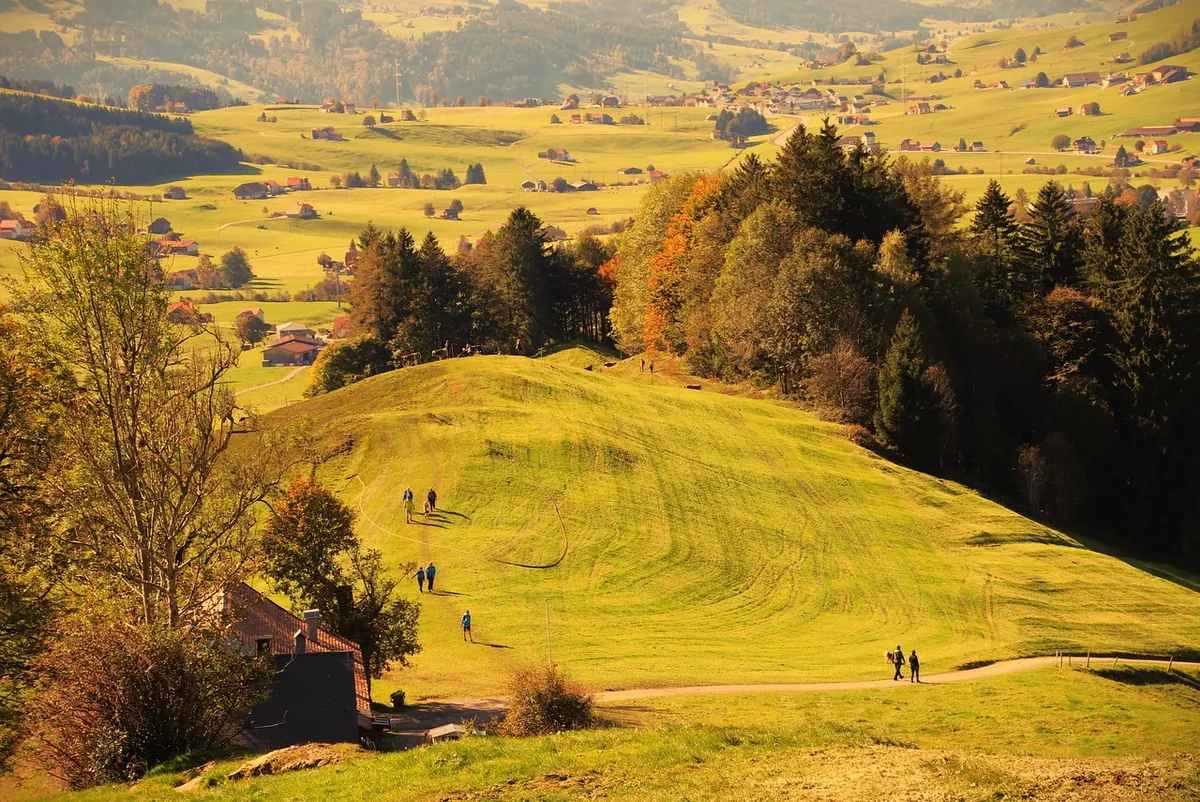
A day out in the Pennines rarely stays the same for six hours. You might leave the car park at Edale in warm sunshine, eat lunch crouched behind a wall to escape the wind, and finish the last mile with rain drumming on your hood. These hills are not the highest in Britain, but the weather turns quickly, the ground is often soaked, and the nearest road can be an hour's walk from where you stand.
That is why a sensible pack matters more than an expensive one. Below is a checklist you can print and tick off, along with the reasoning behind each item, so you can decide what to carry rather than guessing.
Pennine weather punishes the wrong clothing choice more than it punishes a lack of gadgets. Wind chill on an exposed edge such as Bleaklow or Great Shunner Fell can make a mild day feel genuinely cold once you stop moving.
Start with a base layer that wicks: merino or a synthetic fabric. Leave the cotton T-shirt at home. Cotton holds sweat, and wet cotton against your skin pulls heat out of you fast when you pause for a sandwich.
Over that, a fleece or light synthetic jacket. Then a waterproof shell with taped seams and an adjustable hood that stays put in a gust. Waterproof overtrousers are not optional on a day when rain is likely, and they double as wind protection. Trousers that zip up the leg are easier to pull on over boots.
Pack a spare dry base layer and a spare pair of socks in a sealed bag. This is not about comfort on the walk; it is about having something dry to change into if you get soaked, or if you are stuck waiting longer than planned. Hat and gloves go in year-round. People underestimate how much difference a thin pair of gloves makes on a windy summit in July.
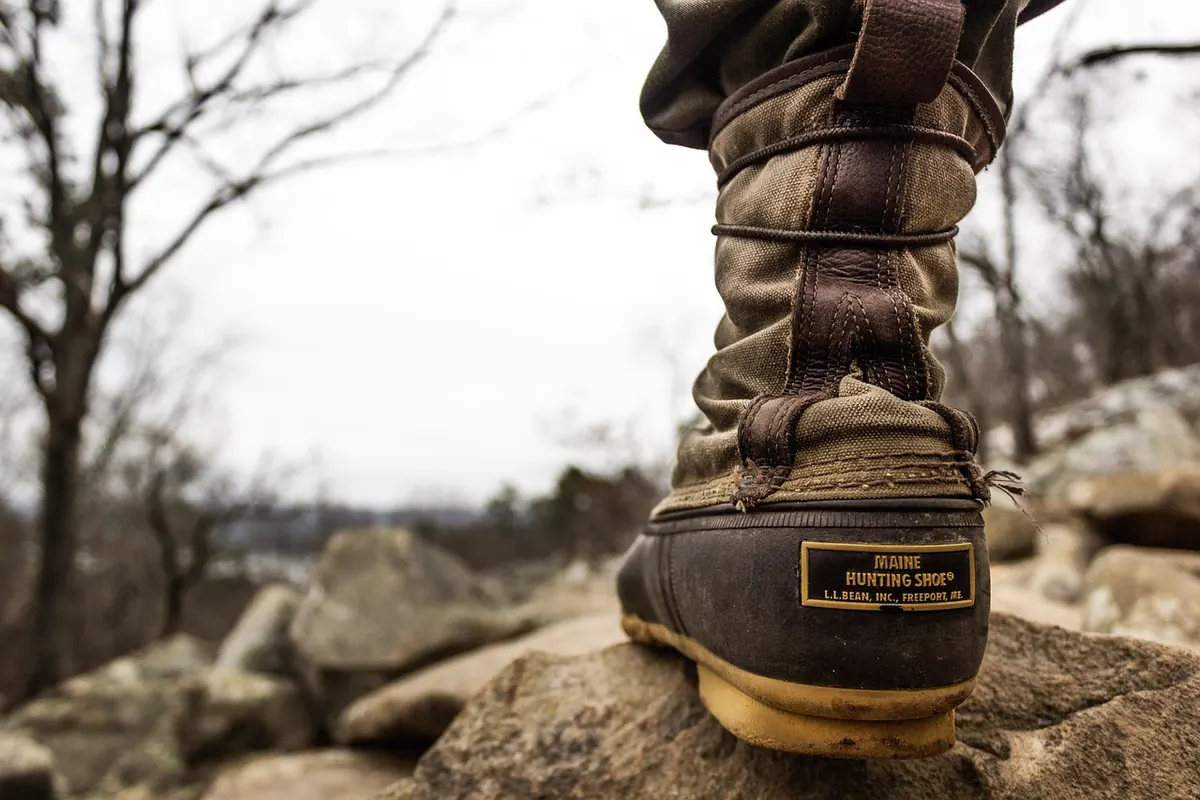
Most Pennine terrain is either wet, rocky or both: peat hags, gritstone slabs, limestone steps, and stiles that seem designed to trip you. Choose boots or shoes with a deep, well-spaced tread and test them on wet rock before you trust them. Ankle support is worth having on rocky descents.
Socks should be wool or synthetic, and you should carry a spare pair. Change them at lunch if your feet are damp, before a hot spot turns into a blister. Gaiters keep heather, bog water and grit out of your boots. Walking poles earn their place on long descents and on any day when your knees are complaining.
Cloud can swallow a ridge in minutes, and a path that was obvious on the way up is not always obvious on the way back. Carry the relevant Ordnance Survey Explorer or Landranger sheet in a waterproof case, and a compass you know how to use. A phone with offline maps is a useful backup, not a replacement.
Cold drains batteries quickly, so keep the phone in an inside pocket or a dry bag and carry a small power bank. A head torch with spare batteries covers the walk that takes longer than expected. Before you set off, tell someone your route, your estimated finish time and the car you are in, and send them a message when you are back. If you need help in the UK, dial 999 and ask for the police, then mountain rescue.
Eat little and often rather than saving everything for one big stop. Oatcakes, nuts, flapjack, cheese, a flask of soup and something salty all work well. A hot drink on a cold, wet day does more for morale than any piece of kit.
Carry at least a litre, and more on hot days or long routes. Refills on high moorland are unreliable, and stream water from peat and grazing land is not something to drink untreated. If you plan to use natural water, carry a filter or purification tablets and use them.
A few items weigh almost nothing and solve real problems: a sit mat for wet gritstone, a dry bag for electronics, a small rubbish bag, and a bit of toilet paper in a sealed bag with hand sanitiser. Pack a spare carrier bag for muddy boots in the car.
If you carried something all day and never used it, ask why it was there. If you needed something and did not have it, it goes on the list before the next walk.
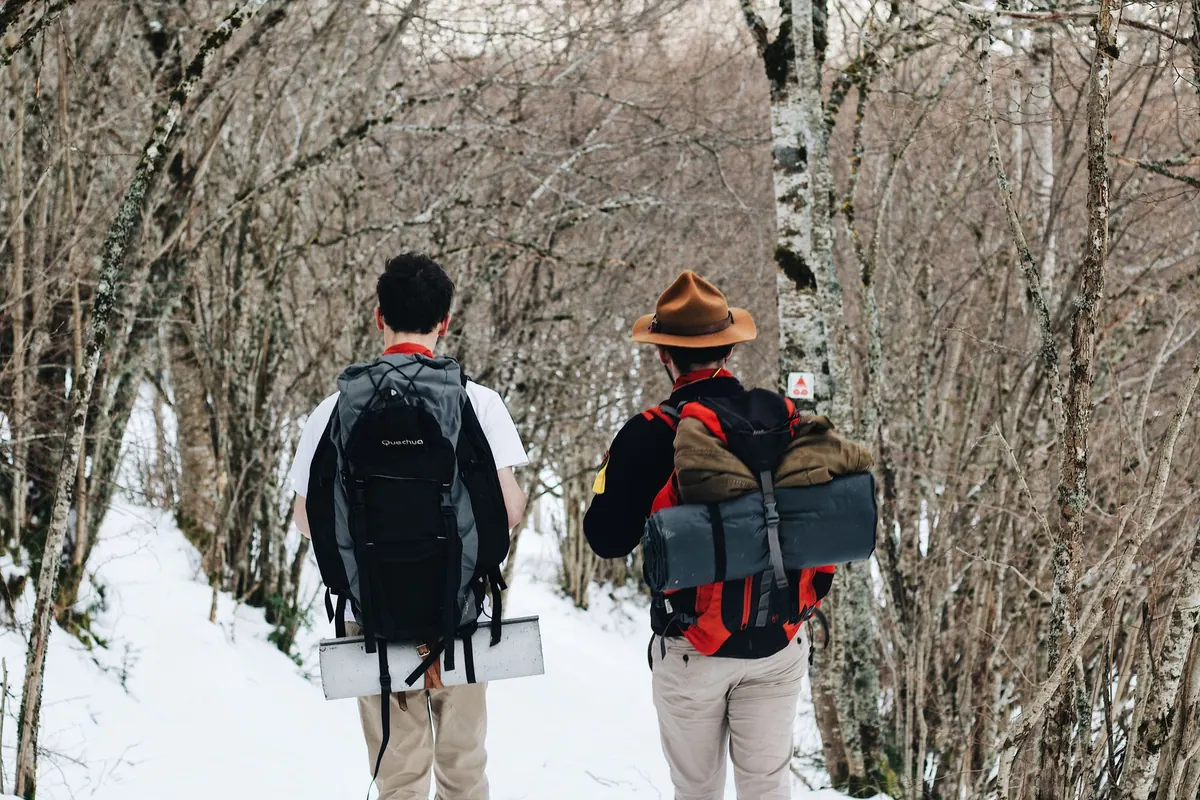
Lay everything out the evening before, tick the list, then pack the bag and lift it. If it feels heavier than it needs to be, take out the duplicate of anything you have two of. Put the waterproofs near the top where you can reach them without unpacking, and keep the spare dry layers buried in the middle.
Check the forecast, then plan as though it is wrong in the direction of worse weather. Charge the phone, fill the flask, write your route down, and leave a copy at home. Print the checklist and keep it in your pack, so the next trip starts with a tick rather than a scramble around the house.
Photo: Maël BALLAND / Pexels